Sunday, October 05, 2014

Unplanned Discoveries in UK

Unlike traveling with a package tour group, exploring on our own - with the freedom of our own vehicle - often led us to unexpected discoveries and spontaneous adventures.

One such experience occurred during a drive from the Hare & Hounds Hotel in Tetbury, when we found ourselves in a quaint little town that we later discovered was Bampton in Oxfordshire.

Bampton rose to fame as a key filming location for the popular TV series "Downton Abbey." Today, it draws fans and curious visitors alike, eager to see familiar sites such as St. Mary’s Church, the old Village Library, and several historic buildings and shops featured in the show’s outdoor scenes.

Wandering through its quiet lanes, it was easy to see why Bampton was chosen - it exudes the timeless charm and character of an English village frozen in another era. It was a delightful and unplanned detour that added a cinematic twist to our countryside journey.

***********************************************************
On another occasion, we found ourselves unexpectedly "lost", and our car ended up in a narrow lane in a small village. Just as we were preparing to reverse and leave, a woman from one of the nearby houses stepped outside - and what began as a brief encounter turned into an engaging conversation about what it’s like to live in a historic building in the UK.

She spoke with a mix of pride and practicality. On one hand, she felt privileged to live in a village where every building carried historical significance, with many officially designated as listed buildings - a mark of national heritage and architectural value. The charm and sense of continuity with the past were things she clearly cherished.

However, there was also a downside. She explained that even the smallest alterations or repairs required formal consent from the local authority, due to strict preservation regulations. Whether it was replacing windows, upgrading plumbing, or modifying the interior layout, the process was often lengthy, bureaucratic, and restrictive.

It was a fascinating glimpse into the realities of living in a piece of history - beautiful and storied, yet bound by the responsibilities of preservation.

***********************************************************
Norton Saint Philip, Somerset
 
***********************************************************
Stow-on-the-Wold, Gloucestershire

Saturday, October 04, 2014

Bourton-on-The-Water

Whether it’s Guilin or Hangzhou in China, or Venice in Italy, water often plays a central role in enhancing the beauty and charm of a place. The gentle presence of rivers, lakes, or canals seems to breathe life into the surroundings - offering serenity, reflection, and a sense of timelessness.

Bourton-on-the-Water, often referred to as the “Venice of the Cotswolds,” is no exception. The village is built around the crystal-clear River Windrush, which flows gracefully through its center, crossed by a series of charming low stone bridges. This natural beauty, combined with its quaint stone cottages and manicured green spaces, has made it a magnet for tourists from all over the world.

During the peak travel season, the number of visitors can far exceed the local population of just 3,500 residents, creating a vibrant - but often crowded - atmosphere. Despite the influx, the village retains its idyllic charm, offering a picture-perfect blend of nature, architecture, and English countryside tradition.

The pedestrian stone bridges that span the River Windrush have become the trademark of Bourton-on-the-Water, lending the village its unmistakable charm and postcard-worthy appeal. These low, graceful bridges blend seamlessly with the tranquil waters and honey-colored Cotswold stone buildings, creating a setting that feels both timeless and idyllic.

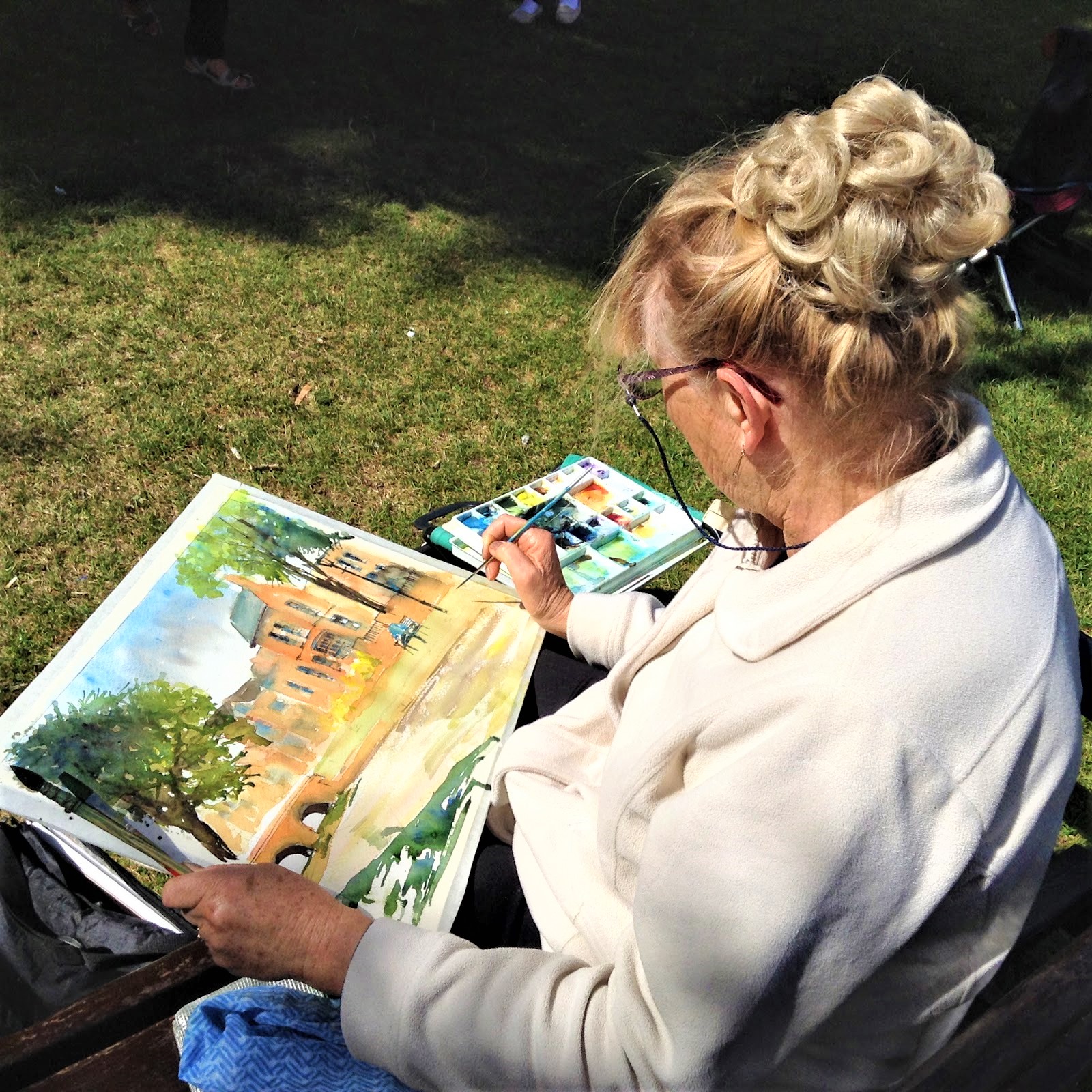
With such a scenic backdrop, it’s no surprise to see seniors, artists, and photography enthusiasts gathered along the riverbanks, each hoping to capture a piece of the village’s beauty - whether on canvas, in a sketchbook, or through the lens of a camera. The atmosphere is peaceful yet vibrant, as people pause to take in the gentle flow of the river, the reflections on the water, and the soft rustling of leaves overhead.
Some might say that the ducks in Bourton-on-the-Water are especially fortunate to call this idyllic village home. Here, they live peacefully alongside humans, paddling gracefully in the clear waters of the River Windrush, unfazed by the tourists who admire - and often photograph - them.

In contrast, as one light-hearted observation goes, if these ducks were in China, they might not enjoy such a carefree existence; instead, they could very well end up on someone’s dinner table!

Bibury

It was a surprise to discover that many old villages in rural England are still preserved  in their traditional beauty and simplicity.

We drove 35 Km from Hare & Hounds Hotel to find this picturesque village called Bibury in Gloucestershire Cotwolds by the River Coln.
These 16th century honey-coloured ancient stone cottages with steep pitched roof are still well preserved.

Crossing a "Threshold" in Hare & Hounds

From Bath, we drove north to our next destination, Tetbury which is approx. 33 Km away. We checked into Hare & Hounds Hotel, a traditional English country house hotel.

In this hotel, we had a full course dinner to celebrate the occasion of my wife crossing another threshold on 18 August 2014. This occasion which was celebrated in style with good food and good company will be remembered for a very long time.

Happy Birthday again and may they be many more to come!